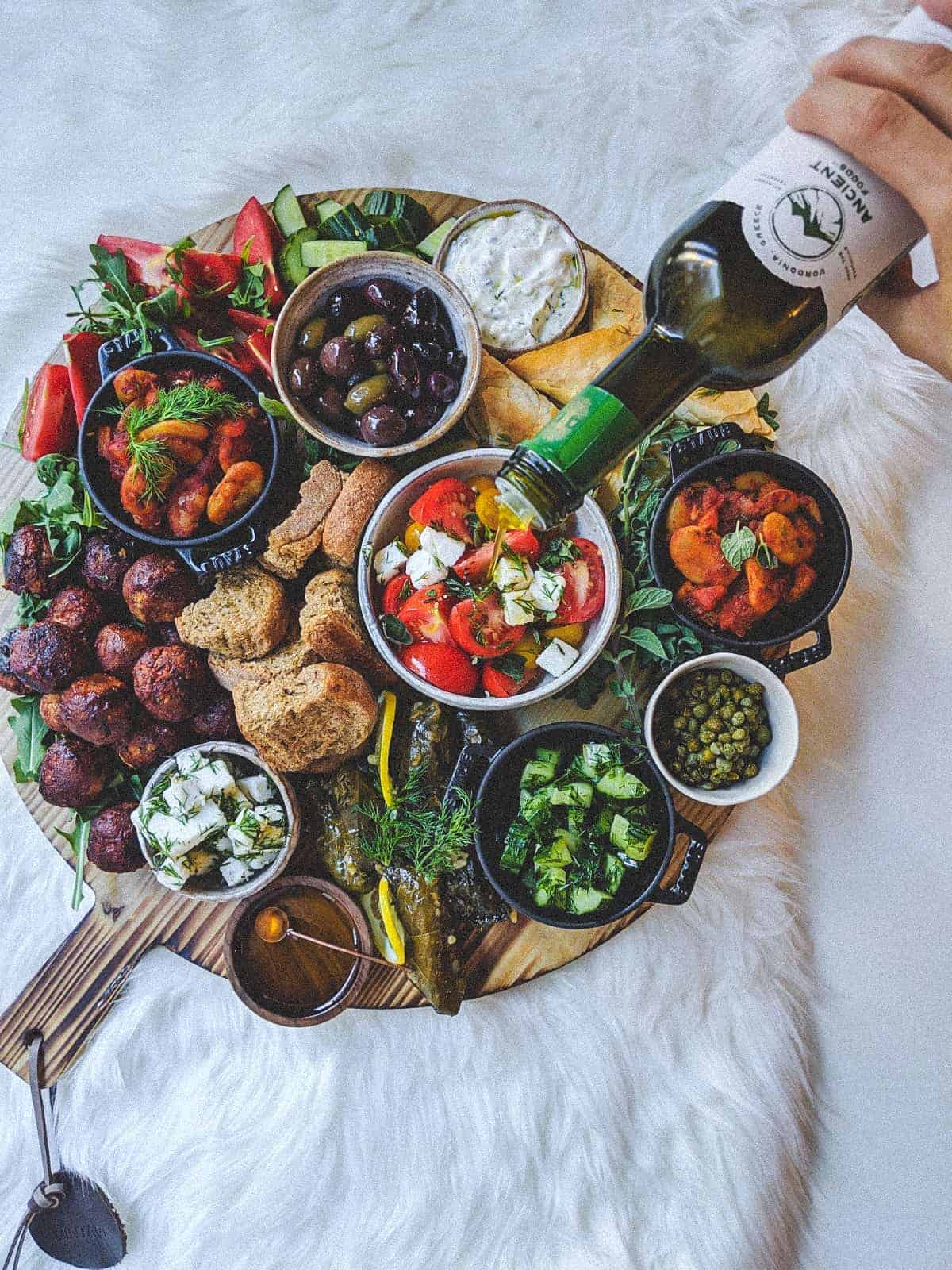
Easy Plant-Based Greek Platter: Olive Oil & Family Traditions
There’s a certain magic that happens when simple, fresh ingredients come together, especially when guided by centuries of culinary wisdom. Few cuisines embody this principle quite like Greek food, where the humble olive, in its liquid gold form, holds a place of reverence. Imagine a vibrant **plant based Greek platter drizzled in olive oil**, a feast for the eyes and the palate, deeply rooted in family traditions and the Mediterranean lifestyle. This isn't just about putting food on a table; it's about sharing heritage, health, and the sheer joy of honest, flavorful eating.
For many, including myself, growing up in a Greek household meant olive oil was more than just a cooking fat; it was a staple, an elixir, used generously and with purpose in every dish. It infused everything from salads to stews, vegetables to fresh bread, embodying the core philosophy that quality ingredients, kept simple, yield the richest flavors. This enduring mindset is woven into the very fabric of traditional Greek cuisine and continues to guide mindful cooking today.
Olive Oil: The Golden Elixir of Greek Heritage
The connection between Greeks and olive oil is profound, almost spiritual. It's a relationship passed down through generations, ingrained in the very essence of daily life. I recall childhood memories of plump, ripe tomatoes, plucked straight from the garden, simply seasoned with a pinch of sea salt and, of course, a lavish drizzle of rich, emerald-green olive oil. This simple pleasure, a testament to pure, unadulterated flavor, remains one of my fondest culinary recollections.
More Than Just an Ingredient: A Way of Life
In Greek culture, olive oil isn't merely an ingredient; it's a cornerstone of health, beauty, and well-being. My mother, like countless Greek matriarchs, champions it as the original superfood – long before any trendy alternatives arrived on the scene. Beyond its culinary uses, it was celebrated for its remarkable moisturizing and nourishing properties, finding its way into skincare routines and hair treatments, a true testament to its versatile benefits. This holistic appreciation for olive oil underscores its vital role in the acclaimed Mediterranean diet, celebrated globally for its links to longevity and vitality.
The Ancient Superfood: Health & Beauty Secrets
The health benefits of high-quality extra virgin olive oil are well-documented. Rich in monounsaturated fatty acids, antioxidants, and anti-inflammatory compounds, it’s a powerhouse for heart health, cognitive function, and overall cellular well-being. But its virtues extend beyond internal health. Historically, Greek women have harnessed olive oil's emollient properties to nourish skin and hair, protecting against environmental stressors and imparting a natural glow. This ancient wisdom, often dismissed in the age of chemical-heavy cosmetics, reminds us of the power of nature's simplest gifts.
The Art of Selecting High-Quality Olive Oil
Just as not all wines are created equal, the world of olive oil is vast and varied. To truly experience the magic of a **plant based Greek platter drizzled in olive oil**, selecting a high-quality product is paramount. This isn't just a preference; it's a fundamental principle that elevates your cooking from good to extraordinary.
What to Look For: Extra Virgin, Cold-Pressed, and Sustainable
When choosing olive oil, focus on these key indicators for superior quality:
- Extra Virgin Olive Oil (EVOO): This signifies the highest grade, meaning it's produced solely by mechanical means without the use of excessive heat or chemical solvents. It retains its natural antioxidants, vitamins, and distinctive flavor profile.
- Cold-Pressed / First Cold-Pressed: This indicates that the olives were pressed at a low temperature, preserving their delicate flavors and beneficial compounds.
- Harvest Date: Unlike wine, olive oil does not improve with age. Look for a recent harvest date, ideally within the last 18 months.
- Origin: Oils from specific regions, particularly those known for their olive cultivation (like Crete, Kalamata, or Peloponnese in Greece), often offer superior taste and quality.
- Dark Bottle/Tin: Light is olive oil's enemy, causing it to degrade quickly. High-quality oils are typically sold in dark glass bottles or opaque tins to protect them.
- Sustainability: Supporting brands committed to sustainable farming practices not only benefits the environment but often correlates with higher quality products.
Once you've chosen your precious oil, store it in a cool, dark place, away from heat and light, to preserve its integrity. A quality olive oil should have a fresh, slightly peppery, or fruity aroma and a distinct taste that might even leave a pleasant, slightly bitter kick at the back of your throat – a sign of its polyphenols. For a deeper dive into making the best selection for your kitchen, explore
The Greek Secret: High-Quality Olive Oil for Plant-Based Meals.
Crafting Your Easy Plant-Based Greek Platter
Now that we've established the foundational role of olive oil, it's time to assemble your delightful **plant based Greek platter drizzled in olive oil**. The beauty of a Greek mezze platter lies in its simplicity, variety, and the way flavors naturally complement each other, all amplified by that final, generous drizzle. This type of platter is perfect for a casual weeknight meal, an elegant appetizer for guests, or a vibrant contribution to any gathering.
Essential Components for a Vibrant Mezze
Creating a plant-based Greek platter is wonderfully flexible, allowing you to incorporate your favorite dips, vegetables, and breads. Here are some indispensable elements:
- Dips & Spreads:
- Hummus: While Middle Eastern in origin, hummus is a beloved staple on many Greek-inspired platters. Ensure it's extra smooth and creamy.
- Fava Dip: A traditional Greek split pea purée, often flavored with onion, capers, and a generous amount of lemon and olive oil.
- Melitzanosalata (Eggplant Dip): A smoky, flavorful dip made from roasted eggplant, garlic, parsley, and olive oil.
- Vegan Tzatziki: A refreshing blend of plant-based Greek yogurt, shredded cucumber, garlic, dill, and a splash of olive oil and vinegar.
- Fresh Vegetables: Think vibrant colors and crisp textures. Sliced cucumbers, cherry tomatoes, bell pepper strips (red, yellow, orange), radishes, and crisp lettuce leaves are perfect for dipping.
- Olives: A selection of Kalamata and green olives is essential for that authentic Greek salty, briny kick.
- Legumes & Pickled Delights: Marinated artichoke hearts, roasted red peppers, or simple marinated chickpeas add extra texture and flavor. Dolmades (rice-stuffed grape leaves) are also a wonderful, traditional addition (ensure they are plant-based).
- Breads & Crackers: Warm pita bread, crusty artisan bread, or traditional barley rusks (paximadia) are ideal for scooping up the dips.
The Magic of Drizzling: Elevating Every Bite
The final flourish, and perhaps the most crucial step, is the generous application of olive oil. Just as the reference context emphasizes, literally "sprinkle some olive oil on everything!" This isn't just for appearance; it deepens flavors, adds a silken texture, and brings all the components into harmonious balance. The vibrancy of the vegetables, the richness of the dips, and the warmth of the bread are all amplified by that golden touch. For more inspiration on curating the perfect spread, check out
Simple Plant-Based Greek Mezze: Fresh Ingredients & Drizzled Oil.
Embracing Simplicity: The Greek Philosophy of Food
Beyond the specific ingredients, the true essence of this **plant based Greek platter drizzled in olive oil** lies in its underlying philosophy: simplicity, quality, and connection. This approach isn't about rigid rules but about honoring the ingredients and the act of sharing. It's about not overthinking it, and allowing the natural goodness of the food to shine.
Key Principles for Authentic Flavors
To truly capture the spirit of Greek cuisine, remember these guiding principles:
- Use a High-Quality Olive Oil: This is non-negotiable. It's the soul of the platter and impacts every flavor.
- Stick to Simple, Fresh Ingredients: Opt for seasonal produce whenever possible. Less is often more when ingredients are allowed to speak for themselves.
- Do as the Greeks Do and Drizzle That Olive Oil on EVERYTHING! Don't be shy. It's for flavor, health, and tradition.
This simple philosophy makes creating such a platter accessible for anyone, even those with a busy everyday life. Most components can be prepared in advance, allowing for quick assembly when hunger strikes or guests arrive. It's a way to bring honest, wholesome food, steeped in tradition, to your table with minimal fuss and maximum enjoyment.
Conclusion
Crafting an easy **plant based Greek platter drizzled in olive oil** is more than just making a meal; it's an invitation to experience a culinary tradition rich in flavor, health, and heartfelt simplicity. From the golden elixir that runs through Greek heritage to the vibrant medley of fresh, plant-based delights, every element tells a story. Embrace the wisdom of generations: choose quality, keep it simple, and let the generous flow of olive oil transform your ingredients into a celebration of food, family, and the joy of eating well. Kali Orexi!